 Aesthetics
Aesthetics
Aesthetics
Modern aesthetics are no longer based on radical change. Today, it is all about subtle refinement — making people feel comfortable in their skin while promoting the natural shape and wellbeing of the body.
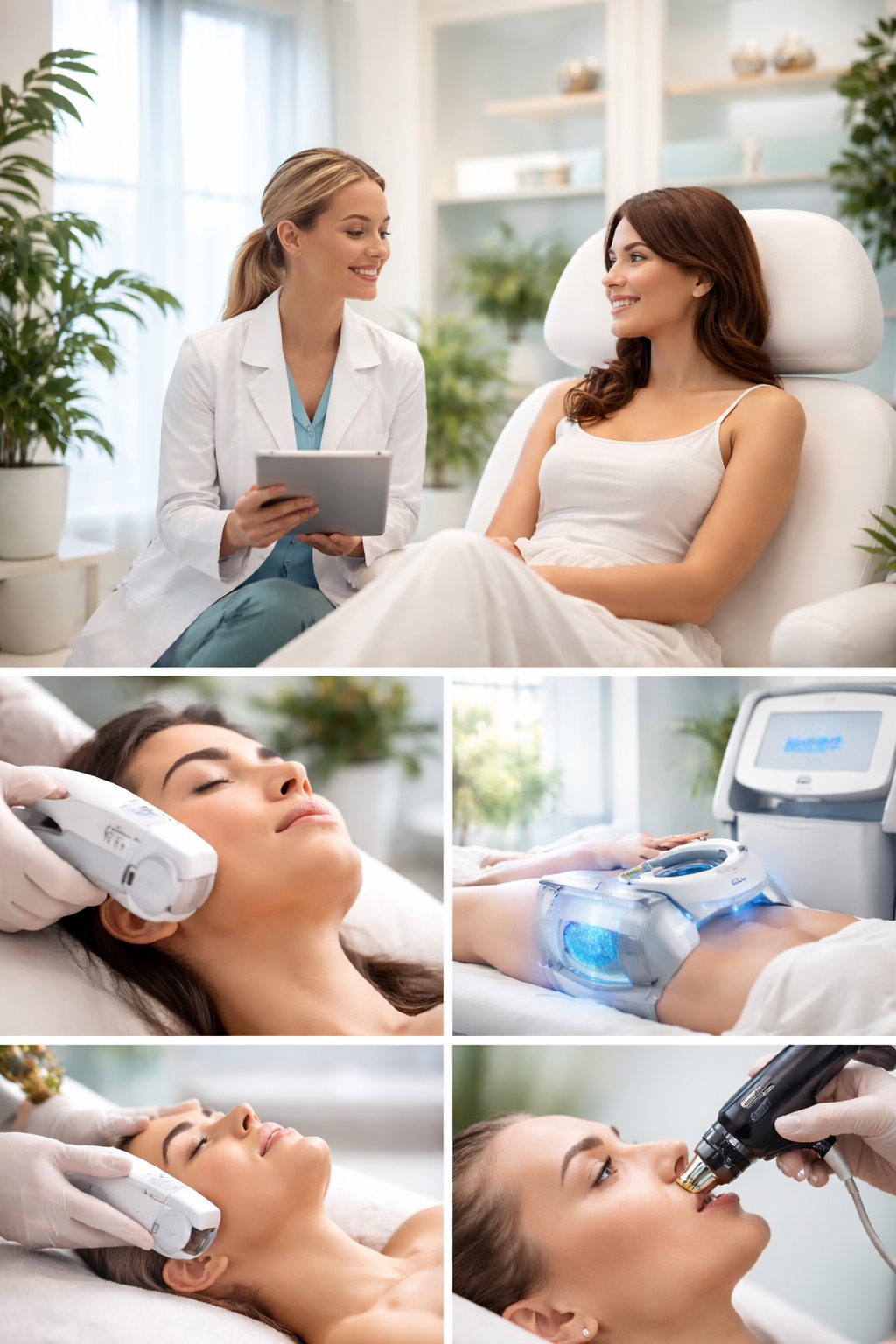
Over time, everyone notices changes. Skin can become softer and less firm. Facial contours can gradually shift. Fat can settle differently in body areas than before. This is just part of life — a reflection of time, lifestyle, and biology.
Aesthetics exists to help complement those natural changes. The new age of aesthetic treatments that do not require surgery are the best option for maintaining your skin and body without a long period of recuperation. These treatments target the body's natural processes — increasing collagen production, tightening skin, reducing stubborn fat deposits, and improving overall tone.
The objective is not to displace someone with a new iteration of themselves. The intention is to reinforce the best version of the person who is already present.
For a more nuanced take on aesthetics, one starts with understanding the individual. Each person has unique skin, unique goals, and unique concerns. This means treatments can be tailored to those needs — with balance and natural results always in mind.
Many aesthetic treatments today use advanced technology designed to enhance the body's own systems. Ultrasound energy can be used to tighten skin. Controlled cooling can hone in on fat cells. Radiofrequency energy is used to stimulate collagen production in the deeper layers of the skin. When implemented responsibly and approached with continuous reevaluation in mind, these methods yield soft enhancements that accumulate over time.
Aesthetics is confidence, comfort, and feeling good about oneself — not perfection. Incremental changes often have an important impact on how people feel day to day.
"The objective is not to displace someone with a new iteration of themselves. The intention is to reinforce the best version of the person who is already present."— A philosophy of modern aesthetics
Opting for an aesthetic procedure is a decision one makes for themselves. Everything responsible — including aesthetics — starts with safety and appropriateness. A thorough consultation is required before any treatment is considered, carefully reviewing skin condition, medical history, lifestyle factors, and personal goals. This brings a proper, individualised approach to treatment for every person rather than an overall method.
Today's aesthetic treatments are based on science and evidence. Over the years, medical and clinical research have led to the evolution of procedures that rely on devices. These technologies are designed to stimulate incremental improvements while respecting the skin's natural architecture.
One of the biggest benefits many aesthetic treatments offer is low downtime. Most procedures enable people to resume normal activities soon after treatment, making them a convenient option for busy lifestyles.
But even with non-surgical options, careful screening is still needed. Some conditions, medications, or skin concerns may require that a treatment be delayed or skipped. Responsible providers see patients and their wellbeing as the top priority.
Patients should know how a treatment works, what it can realistically do, and approximately how many sessions will be required. Managing expectations is critical to making sure people are happy and well-informed throughout their journey.
Responsible providers see patients and their wellbeing as the top priority. Aesthetics is all a matter of appropriate treatment, careful consideration, and gradualism. The goal is never radical change overnight — if anything, the approach is all about subtle tweaks that accentuate natural features and keep everything harmonious.
A thorough consultation is required before any treatment is considered. Skin condition, medical history, lifestyle factors, and personal goals are all carefully reviewed — and eligibility is fully assessed before any plan is drawn up. The consultation brings a proper approach rather than an overall method.
The approach is all about subtle tweaks that accentuate your natural features and keep everything harmonious. Aesthetics is about making people feel comfortable in their skin — not achieving perfection. Incremental changes often have an important impact on how people feel day to day.
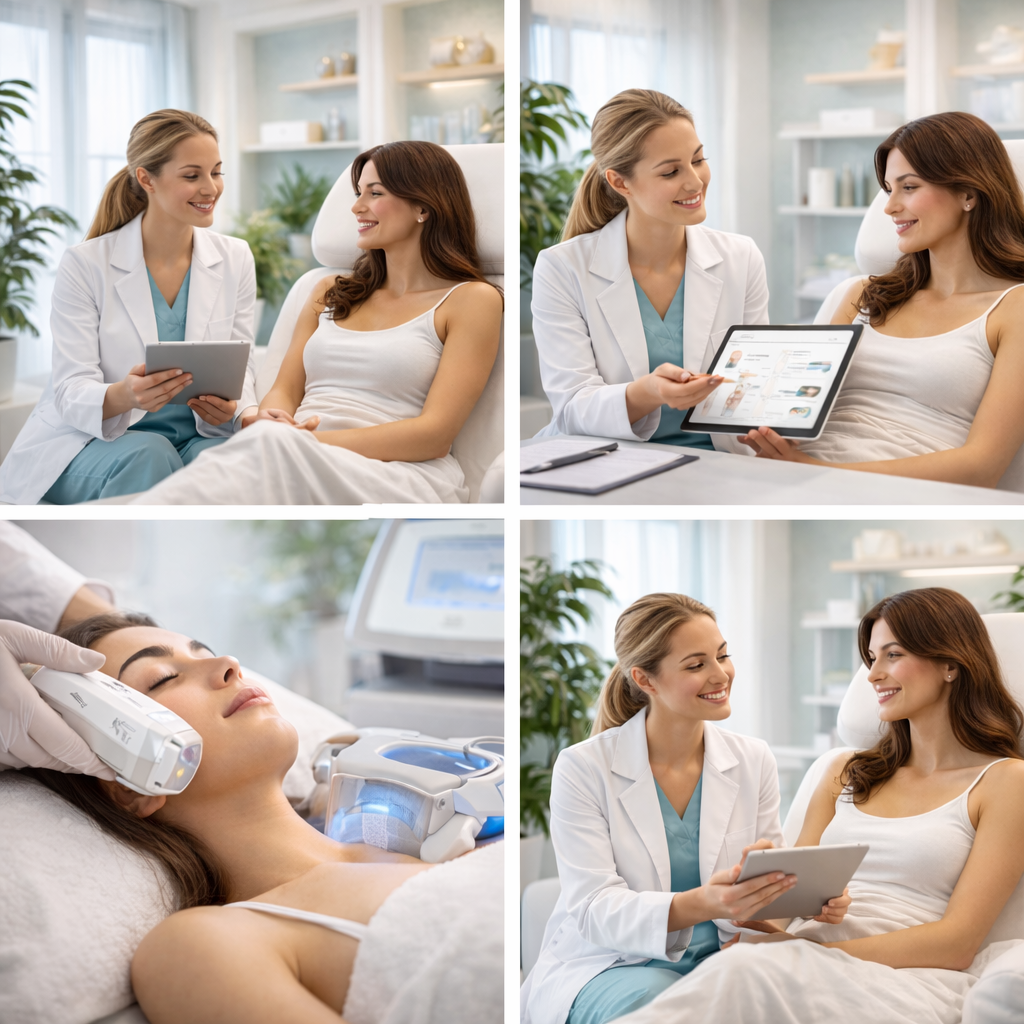
These procedures fall under the umbrella of what is now widely known as modern aesthetics — a broad category of non-surgical treatments aimed at improving common complaints associated with skin quality, facial structure, body shape, and overall confidence.
Certain treatments are aimed at tightening the skin. Some break down stubborn fat deposits or stimulate muscle tone. Some procedures are indicated to improve skin texture. There are also treatments that aim to promote intimate health and muscle function. These services are intended to be connected as part of an individualised treatment experience — a person might choose to try one treatment or a combination of several, depending on their goals.
The majority of body contouring and aesthetic treatments use controlled energy tools. These technologies have very particular ways in which they interact with the body to cause incremental changes. The process may dissolve fat cells for natural elimination, stimulate muscles to enhance tone and definition, firm skin by stimulating collagen production, or eliminate small fat deposits that resist lifestyle modification. Because these treatments operate in conjunction with the body's own processes, results develop incrementally over time rather than all at once.
Personal goals and concerns are discussed. Skin quality, body composition, and general health are assessed. Medical history is reviewed to determine whether a treatment is appropriate and to establish the right pathway.
If eligibility is confirmed, a customised treatment scheme is drawn up. This plan could involve one procedure or a combination of procedures delivered appropriately over time.
The actual treatment session is relatively straightforward. Numerous non-invasive procedures require less than 60 minutes and are designed to be comfortable, with minimal sensation during the session.
Aftercare recommendations support the body's natural healing process. Follow-up appointments may be scheduled to track improvements and determine whether further sessions would be beneficial.
The goal is always gradual enhancements that feel organic and in tune. This aligns with the understanding that slow upgrades most often lead to the best-looking, most authentic-feeling results — and that patience with the process is what makes the outcomes look genuinely natural.
Non-surgical aesthetic treatments are best for men and women who are near their optimal body weight and who wish to improve specific areas or concerns. These treatments are not intended to replace a healthy lifestyle — rather, they complement and support it.
Non-surgical body contouring is not for everyone. It is best suited to individuals who already lead reasonably healthy lives and want to address some unresponsive tissues that traditional diet or physical activity cannot change. Certain areas such as the abdomen, thighs, or upper arms can sometimes retain small pockets of fat or lose firmness over time despite consistent lifestyle effort.
A balanced lifestyle may also be a helpful tool to support and sustain treatment results over time. Those who combine aesthetic treatments with regular movement, balanced nutrition, and adequate hydration tend to see and maintain the most satisfying and lasting outcomes.
Some medical conditions, medications, or specific skin concerns may mean a treatment needs to be delayed, modified, or carefully reconsidered before proceeding. Responsible providers see patients and their wellbeing as the top priority — and this sometimes means recommending caution.
A comprehensive consultation — in which your medical history, lifestyle, and goals are all reviewed — is the essential first step before any treatment is undertaken. This process exists not to complicate the journey, but to protect your wellbeing and ensure the outcome is appropriate and safe for you as an individual.
Even with non-surgical options, careful screening is still needed. Some conditions, medications, or skin concerns may require that a treatment be delayed or skipped entirely. This is a mark of responsible, ethical practice that puts the person first.
Modern non-surgical aesthetics covers a broad range of concerns associated with skin quality, facial structure, body shape, and overall confidence. Understanding each concern helps form a more meaningful and personalised treatment conversation.
Collagen production naturally declines as skin ages — collagen is the protein that keeps skin firm and elastic. As levels drop, skin may seem looser or less well defined, particularly around the jawline, neck, cheeks, and brow area. This is a natural result of time and biology.
Certain areas of the body — such as the abdomen, flanks, thighs, and upper arms — can retain pockets of fat that resist healthy diet and exercise. While many people lead healthy lives, these areas can sometimes hold on to small collections of fat despite consistent lifestyle effort.
Changes in activity levels, lifestyle, or natural ageing can affect the tone and definition of muscles in specific body regions. Some individuals seek to enhance muscle definition or maintain fitness results alongside a healthy approach to movement and nutrition.
Fine lines, skin laxity, uneven texture, and acne scarring can all affect skin quality and overall appearance. These surface-level and deeper concerns often respond well to treatments that stimulate the skin's own natural repair and collagen production processes.
Benign skin lesions such as skin tags, warts, age spots, and certain moles are extremely common. They may be safely and quickly addressed with the appropriate focused technology — destroying targeted tissue without harming surrounding healthy skin.
As we age, have children, and go through life, pelvic floor muscles may weaken. Pelvic floor muscles are important for bladder control as well as core stability — and their strength can be meaningfully supported with the right non-invasive approach.
Over time, processes such as ageing, childbirth, and hormonal changes can impact vaginal tissue — affecting comfort, elasticity, hydration, and structural support. These changes are a natural part of life and can be sensitively addressed with appropriate treatment.
Collagen loss — accelerated by sun exposure, smoking, poor nutrition, insufficient sleep, and environmental stress — is a root cause of many visible skin changes, including lines, wrinkles, reduced firmness, and thinner, less uniform skin texture.
The emotional impact of feeling comfortable in one's own skin is significant. Aesthetics is confidence, comfort, and feeling good about oneself. Incremental aesthetic improvements can have a meaningful impact on how people feel day to day — and this is as valid a concern as any physical one.
The following non-surgical procedures represent the range of modern aesthetic options available. Each works differently with the body's natural systems, and a personalised consultation will help identify which — individually or in combination — may be most appropriate for your goals.
HIFU stands for High-Intensity Focused Ultrasound — a non-surgical treatment that aims to lift and tighten the skin. Collagen production naturally declines as skin ages. Collagen is the protein that keeps skin firm and elastic. As levels of collagen drop, skin may seem looser or less well defined.
HIFU penetrates through ultrasound energy, reaching deeper layers of the skin. This energy warms tissue just below the surface, prompting the body's natural collagen production. This process causes the skin to tighten and improve over time. HIFU treatments are commonly performed on the jawline, neck, brow area, and cheeks.
The process is usually brief and entails little to no recovery time. Most people see incremental improvement over a number of weeks as collagen continues to form. Results will vary from person to person — the aim is a gentle lifting effect that mimics natural facial contours.
HIFU sessions can take anywhere from 30 to 90 minutes depending on the targeted area. The skin is first assessed and the treatment site prepared. A gel is applied to help the ultrasound device glide across the skin. The device then sends small pulses of focused energy into different layers of the skin, gradually stimulating new collagen production over the weeks that follow.
Most people describe the sensation as tiny pulses of warmth or gentle tingling just below the skin. After treatment, skin can be a little pink for a short period and there may be mild tenderness in the treated area. Most normal daily activities can usually be resumed right away. There are generally no incisions, injections, or long recovery times involved.
HIFU does not provide the same dramatic result as surgical lifting procedures. Rather, the aim is gradual and natural improvement — the treatment is most effective when expectations are set around subtle refinement rather than dramatic transformation. With HIFU, one can enhance or maintain a more natural appearance as it helps support the structure of the skin over time.
HIFU may be a particularly good choice for those who have started to notice mild to moderate skin laxity but who are not interested in surgical procedures. It tends to work best while skin still retains some natural elasticity.
Cryolipolysis is a non-invasive procedure used to eliminate fat from the body in areas that often resist diet and exercise. It works via controlled cooling technology. Fat tissue is more sensitive to cold than the surrounding tissue — the targeted areas are cooled in a selective and stepwise manner throughout the procedure.
This process slowly destroys the fat cells without harming adjacent tissues. In the weeks that follow, the body naturally metabolises and eliminates these fat cells through the lymphatic system. During the week after treatment, the body processes and then eliminates the treated fat cells. Results are not immediate because the body must process the treated cells — improvements appear gradually over several weeks as this natural elimination occurs.
Cryolipolysis is frequently used on areas like the abdomen, flanks, and thighs. Changes come slowly as the body does its job of sloughing off the cells that have been treated. Cryolipolysis is not a substitute for weight loss or healthy habits. Rather, it helps polish targeted areas where fat may cling on despite lifestyle sacrifices. It is intended to refine and contour — not to replace the foundation of a balanced, healthy approach to wellbeing.
EMS (Electrical Muscle Stimulation) body sculpting treatments are formulated to tone and strengthen muscles while targeting fat loss. The concept behind EMS technology is to transfer precise bursts of electrical energy into the muscles. These impulses trigger muscles to contract in a way similar to vigorous exercise.
Muscles can contract thousands of times during a session, thus helping to strengthen and tone the area being treated. The technology transmits mild electric pulses into the muscles, causing them to contract repeatedly — producing an effect comparable to an intensive workout.
Common areas include the abdomen, buttocks, and thighs. These procedures are often favoured by those looking to enhance muscle definition or maintain fitness results. While EMS treatments may improve muscle tone, they are most effective when incorporated into healthy movement patterns and balanced lifestyle habits. This treatment is a complement to a healthy lifestyle, not a replacement for it.
Morpheus8 is an innovative treatment that utilises microneedling and radiofrequency energy to enhance skin texture and firmness. Microneedling forms micro-channels on the skin — these tiny openings trigger the skin's natural healing response. Used alongside radiofrequency energy, the treatment transmits heat into deeper levels of the skin, promoting collagen production and tightening the skin from within.
Morpheus8 is typically used to treat fine lines, skin laxity, uneven texture, and acne scarring. The treatment works below the skin's surface, so improvements appear gradually as collagen forms. Skin might be a little red afterwards, but recovery tends to be quick — and the results, which emerge over several weeks, are progressive and natural in their appearance.
Cryotherapy technology can safely perform dermatologist-level treatments focusing on certain benign imperfections of the skin. Cryopen treatments utilise a focused beam of very cold gas to freeze and eliminate minor skin lesions. These can include skin tags, warts, age spots, and certain benign moles.
The cold destroys the targeted tissue without harming nearby structures. The area eventually dries up to a small scab, which heals naturally over time. Cryopen procedures are generally very quick and well tolerated — making them a practical and efficient option for those with minor skin concerns they would like addressed simply and with minimal disruption to daily life.
Aqualyx is an injection used to reduce small areas of stubborn fat. The solution causes the membranes of fat cells in the targeted area to break down. When these cells are disrupted, the released fat is gradually removed from the body by way of the lymphatic system.
Common treatment areas include the chin, abdomen, thighs, and knees. Because the fat is metabolised over time, results are progressive and develop over a sequence of weeks rather than appearing immediately after treatment. Depending on the size of the area being treated, multiple sessions may be advised in order to achieve the desired outcome.
Femiwand is a non-invasive adjunctive treatment that can support vaginal health and comfort. The treatment employs low-frequency, gentle radiofrequency energy to stimulate collagen production in vaginal tissue. Collagen aids in elasticity, hydration, and structural support — all of which can be affected over time by ageing, childbirth, and hormonal changes.
Femiwand therapies are designed to stimulate the body's own natural regeneration of the area while simultaneously providing comfort. Sessions are typically brief and demand little downtime, making this a discreet and low-impact option for those seeking to support intimate tissue health as part of a broader wellbeing approach.
EMS technology can also improve pelvic floor muscle support. Pelvic floor muscles are important for bladder control as well as stability. As we age, have children, and go through life, these muscles may weaken — which can affect day-to-day comfort and function in ways many people find difficult to address.
EMS treatments use controlled electromagnetic pulses to target, stimulate, and strengthen pelvic muscles. The contractions generated by these pulses act to build the muscle over time. When strengthened, these muscles can help improve bladder control and pelvic stability. This method offers a low-impact, non-invasive solution for those managing mild to moderate incontinence or seeking to maintain pelvic floor health as part of broader wellbeing care.
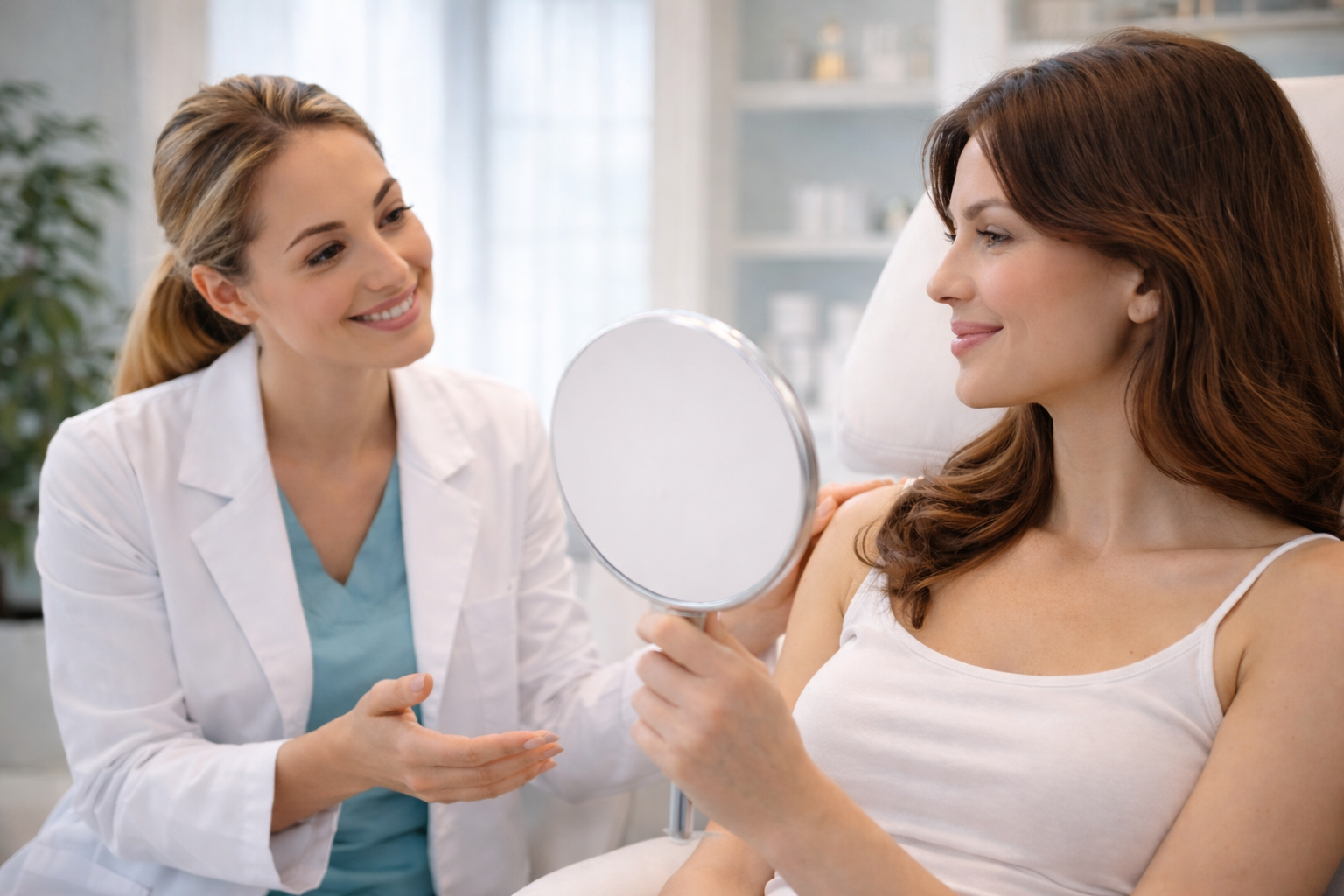
A key point to remember about non-surgical aesthetic treatments is that results happen over time. Improvements can take several weeks or months to manifest, as the body needs time to react to fat cells or build muscle strength, or as new collagen gradually forms.
Non-surgical body contouring and aesthetic treatments are not weight-loss tools. They are not intended to shift large amounts of fat — rather, they are used to tighten, refine, and contour. Body contouring is not a weight-loss treatment. The most successful results are usually seen when treatments are combined with healthy lifestyle choices like regular movement, balanced nutrition, and adequate hydration.
One of the reasons people gravitate towards aesthetics is because results are subtle and natural. The idea is balanced, natural improvement — not radical change. Slow upgrades most often lead to the best-looking, most authentic results — and setting expectations around this from the start is a key part of a positive experience.
Most changes emerge over 4–12 weeks, with some treatments continuing to improve for several months after a session as the body's natural processes take full effect.
Age, skin type, lifestyle, and the specific area treated all influence how and when results develop. No two journeys are identical, which is why personalised assessment is so important.
Many people notice more contoured body lines, a diminished appearance of resilient fat, improved muscle tone, and an improved sense of balance between body regions.
Some treatments deliver optimal results across a brief series of sessions, spaced appropriately to allow the body's natural response to develop properly between appointments.
The natural appearance of non-surgical improvements — where results look refreshed rather than "done" — is frequently what patients value most about this approach to aesthetics.
Common benefits of aesthetic treatment include improvements that are subtle, balanced, and natural-looking. The idea is never dramatic change — it is harmonious, gradual improvement that feels completely authentic.
Improved skin firmness and a more defined, lifted facial appearance over time
More defined facial contours and improved jawline definition
Reduced appearance of stubborn fat in targeted body areas
Smoother, more even skin texture and improved overall skin quality
Increased day-to-day confidence and feeling more comfortable in one's own skin
Balanced, natural improvement that looks authentic and genuinely harmonious
When performed properly and with good screening, contemporary aesthetic treatments can boast impressive safety records. Understanding the standards that underpin responsible practice helps patients make informed decisions with confidence.
A detailed medical history review and skin assessment precede every treatment plan. This ensures that the proposed approach is safe and appropriate for the individual patient. Even with non-surgical options, careful screening remains essential.
Some conditions, medications, or skin concerns may require that a treatment be delayed or reconsidered. This is not a barrier — it is a mark of ethical, patient-centred practice that prioritises wellbeing above all else.
The devices used in modern aesthetic treatments are developed through medical and clinical research, designed specifically to stimulate incremental improvements while respecting the skin's natural architecture and biological processes.
Today's aesthetic treatments are based on science and evidence — years of medical research have led to the evolution of procedures that deliver results predictably, safely, and progressively when administered appropriately.
Patients should know how a treatment works, what it can realistically do, and approximately how many sessions will be required. Informed, voluntary consent is a prerequisite for every procedure.
Managing expectations is critical to making sure people are happy and trusting. Clear explanations are not optional — they are foundational to responsible, ethical aesthetic practice and the cornerstone of a trustworthy patient relationship.
Care does not end after a single session. Follow-up appointments are scheduled to track improvements and determine whether further sessions would be beneficial — ensuring that the treatment pathway continues to align with the patient's outcomes.
Responsible providers approach aesthetics with continuous reevaluation in mind — always checking that the current plan remains the right one for this individual at this point in their journey, and adapting as needed.
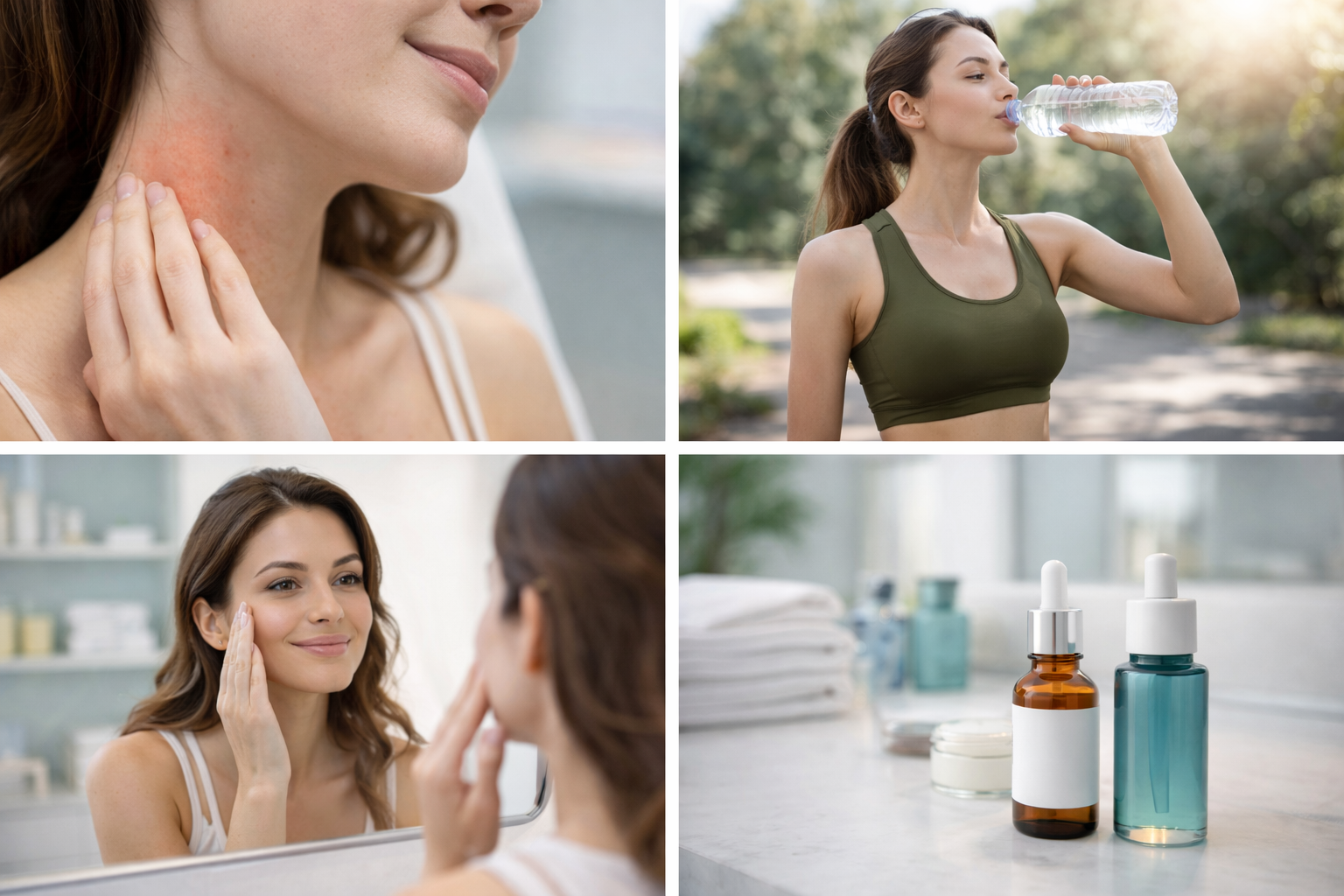
Most non-surgical aesthetic treatments require minimal aftercare and allow a return to normal activities almost immediately. Simple post-treatment guidance supports the body's natural healing process and helps sustain results over the longer term.
You should be back on your feet giving little to no downtime. After treatment, you may experience mild redness or transient sensitivity. In most cases, normal day-to-day activities can be resumed right away. Physical and healthy habits are generally maintained soon after. Convenience is one of the reasons why a lot of people opt for non-surgical contouring and aesthetic treatments.
Mild redness, sensitivity, or temporary warmth in the treated area is normal and typically resolves quickly. Most people resume their usual daily activities immediately following the session with no meaningful disruption to their routine.
There are generally no incisions, injections, or long recovery times associated with these procedures. Physical and healthy habits are generally maintained soon after treatment.
Staying well hydrated, avoiding excessive sun exposure, and following any specific guidance provided for your particular treatment type all support a smooth recovery and contribute to optimal results.
Straightforward aftercare recommendations promote the body's natural healing process. The guidance is simple and designed not to disrupt normal daily life in any meaningful way.
A balanced lifestyle — incorporating regular movement, adequate nutrition, good hydration, and sound skincare habits — complements aesthetic treatment results and helps sustain improvements over the longer term.
Certain skincare products — including vitamin C, peptides, and retinoids — may also help support collagen production and maintain skin health between and after treatment sessions.
The following questions represent some of the most common enquiries regarding non-surgical aesthetic treatments. More specific questions are always best addressed during a personal consultation.
Are aesthetic treatments painful?
Most non-surgical aesthetic treatments are made to be comfortable. Some procedures can produce mild sensations like warmth, cooling, or light pressure during the session — but these are generally well tolerated. Your provider will discuss what to expect from your specific treatment ahead of time so you feel fully prepared.
How long do results last?
The results differ depending on the treatment used and people's own lifestyle factors. Most treatments yield results that take time to develop, often over a matter of months. Maintaining a healthy lifestyle — including regular movement, balanced nutrition, and adequate hydration — helps to support and prolong outcomes over time.
Are these treatments safe?
When performed properly and with good screening, contemporary aesthetic treatments can boast impressive safety records. The consultation process is designed to identify any individual risk factors and ensure that the chosen treatment is appropriate. Some conditions or medications may require that a treatment be delayed or modified — and this is always communicated clearly.
How many sessions are needed?
Some treatments require just one session, while others might involve a brief series of sessions several weeks apart. The number of sessions recommended will always depend on the treatment selected, the area being treated, and the individual's specific goals and concerns. This is discussed clearly and honestly during the consultation.
Who should not receive treatment?
Some medical conditions or medications might render a treatment inappropriate. A consultation can determine these factors carefully and in full — and where a treatment is not suitable, alternative options or a revised approach may be discussed. Responsible providers always put patient wellbeing first, and will never recommend a treatment that is not appropriate for the individual.
Can multiple treatments be combined?
A personalised treatment plan may incorporate more than one procedure, selected to complement one another based on your specific goals and concerns. A person might choose to try one treatment or a combination of several, depending on goals. Your provider will recommend combinations that are safe, appropriate, and realistic for your individual situation.
Aesthetics is such an emotionally rich field because subtle improvements can have a profound effect on wellbeing. The following experiences are shared by patients in their own words, reflecting the authentic, gradual nature of the results they noticed.
My skin appeared fresher after treatment, but it didn't look 'done.' That was exactly what I had hoped for — natural, refreshed, and still completely myself.Skin Tightening Treatment
I liked that it was a gradual process. The results appeared over time, which made them feel genuinely natural rather than an obvious change.Body Sculpting Treatment
The consultation gave me a sense of exactly what to expect. Going into the treatment feeling fully informed made all the difference to how comfortable I felt throughout.Morpheus8 Treatment
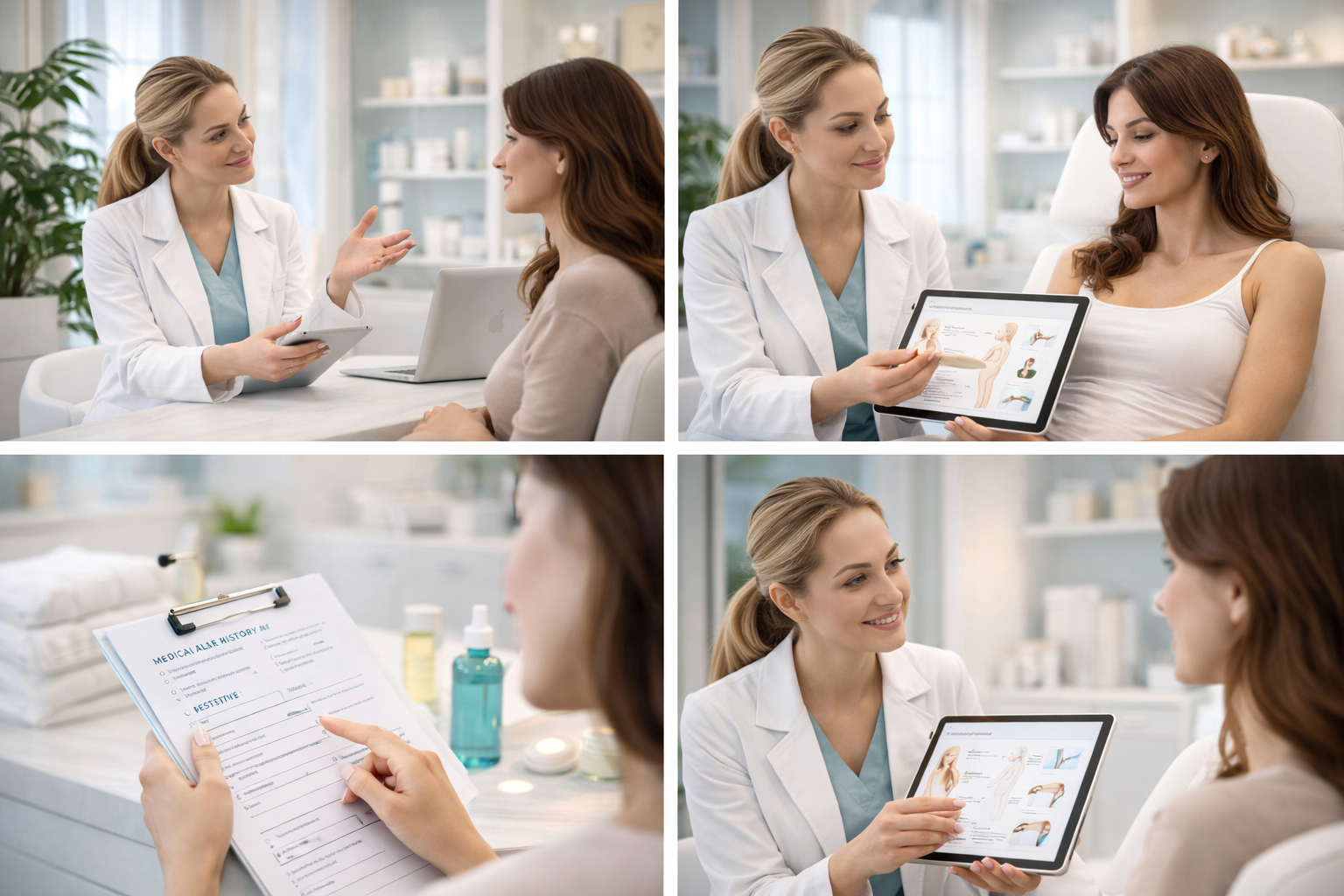
A standardised treatment pathway promotes that every person gets care that is safe, effective, and personalised to their objectives. The process typically starts with a consultation — in which personal goals and concerns are explored, skin quality and general health are assessed, and medical history is reviewed to decide if a treatment is appropriate.
If eligibility is confirmed, a customised scheme can be drawn up. This plan could involve one procedure or a combination of procedures over time, always shaped by what is most appropriate and beneficial for the individual. The philosophy underpinning responsible aesthetic practice is one of individuality, transparency, and gradual, natural improvement.
Each individual has unique skin, unique goals, and unique concerns. This means treatments are tailored to those specific needs — always with balance and natural results in mind. Every treatment plan is developed around the person, not the other way around.
Recommendations are grounded in clinical evidence and a thorough understanding of how each treatment interacts with the body's natural systems. Today's aesthetic treatments are based on science — years of research have led to procedures that deliver results predictably, safely, and progressively.
Realistic expectations are established from the very first conversation. Patients should know how a treatment works, what it can realistically do, and approximately how many sessions will be required. Transparency is a core commitment, not an afterthought — managing expectations is critical to trust.
Care does not end after a session. Follow up appointments might also be scheduled to track improvements and see if further sessions would be helpful. Responsible providers approach aesthetics with continuous reevaluation in mind — always checking that the pathway still serves the individual.
Collagen is the most vital protein found in the body — an essential component that provides structural support and elasticity to the skin. Simply put, collagen is like the skin's natural scaffolding. It also helps maintain skin firmness, smoothness, and tautness.
When collagen levels are high, skin tends to look plump, hydrated, and youthful. Because collagen diminishes over time, the skin can start to lose some of its elasticity — fine lines appear, texture changes, and certain areas of the face or body become softer or less defined.
Understanding collagen's function is key to understanding why so many modern aesthetic treatments are geared toward stimulating collagen production and not just addressing the surface of the skin. In the skin, collagen is woven into a network of fibres in the dermis — the deeper layer beneath the surface. These fibres provide a supportive framework that allows the skin to remain strong and elastic. When this structure is solid and dense, the skin looks smoother and firmer.
Many modern aesthetic treatments are solely aimed at facilitating collagen production. These treatments do not provide collagen directly. Instead, they stimulate the body to produce its own collagen naturally — this enables enhancements to evolve slowly and look entirely natural. By stimulating collagen production, these treatments improve the skin's firmness, smoothness, and resiliency over time.
Production of collagen slows down naturally as part of the ageing process. This process usually starts in the mid-twenties and slowly progresses over time. There are a few reasons why collagen declines at different rates in different individuals.
A number of modern aesthetic treatments are specifically aimed at facilitating natural collagen production. Rather than making artificial adjustments, these methods work with the body's own biology. When the skin is subjected to controlled stimulation — as with certain aesthetic treatments — fibroblasts can be triggered into action and begin producing new collagen. This is why many treatments seek to activate the skin's natural healing response, rather than merely coating it in products.
Targeted ultrasound energy penetrates deeper levels of the skin and induces collagen production in the structural layers typically addressed only by surgical intervention.
Heat in a controlled manner instructs fibroblasts to synthesise new collagen fibres, improving skin firmness, smoothness, and texture from within over several weeks following treatment.
Micro channels created in the skin stimulate the body's natural healing process, triggering increased collagen production as part of the skin's own response to controlled micro-trauma.
This method pairs microneedling with radiofrequency energy for deeper, more comprehensive collagen stimulation — combining the regenerative benefits of both technologies simultaneously.
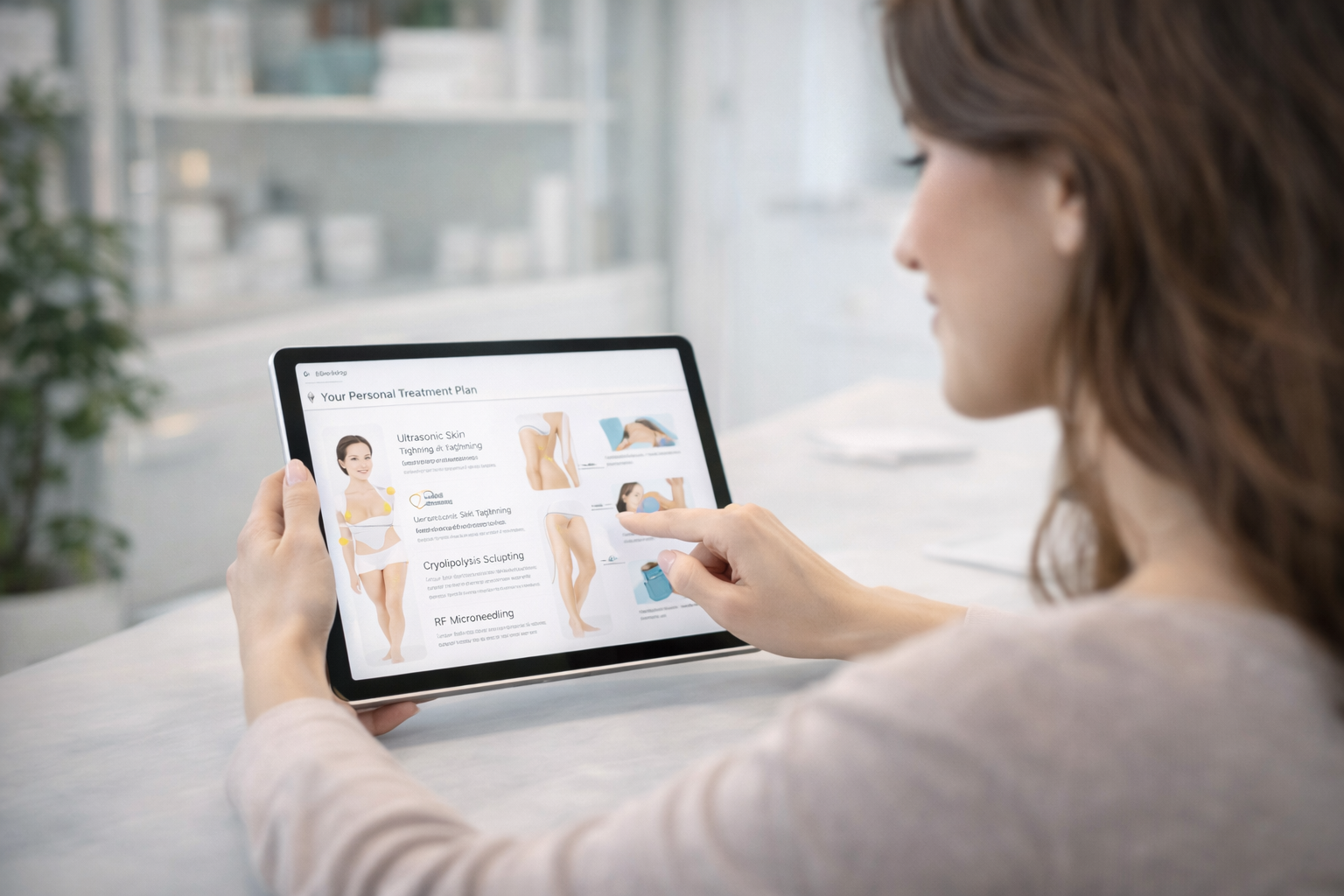
The process of an aesthetic treatment journey typically starts with a consultation. In this conversation, personal goals and worries are revealed. You might be assessed for skin quality, body composition, and general health. Medical history is also reviewed, to decide if a treatment is appropriate.
If eligibility is confirmed, a customised scheme can be drawn up. This plan could involve one procedure or a combination of procedures over time. The actual treatment session is relatively simple — numerous non-invasive procedures require less than 60 minutes. After treatment, straightforward aftercare recommendations promote the body's natural healing process. The goal is always gradual enhancements that feel organic and in tune with the individual.
Take the time to explore the treatments available and consider which concerns you would like to address. Understanding your own goals clearly will allow for a more productive and meaningful consultation conversation.
Many people spend time researching options, googling about procedures, and waiting for the right moment before seeking a consultation. This is encouraged. The more clearly you can articulate your goals, the better any treatment plan can be tailored to meet them thoughtfully and appropriately.
A thorough consultation is the essential starting point for any aesthetic treatment journey. Skin condition, medical history, lifestyle, and personal goals are reviewed. A proper approach to treatment for every individual is established — rather than an overall method applied without nuance.
Clear explanations are also important at this stage. Patients should know how a treatment works, what it can realistically do, and approximately how many sessions will be required — before any commitment is made to proceed.
If treatment is appropriate, a customised plan is developed. This may involve a single procedure or a thoughtful combination, always designed around your individual needs, goals, and realistic timeframes for results to emerge.
Follow-up appointments may also be scheduled to track improvements and see if further sessions would be helpful — ensuring the plan continues to evolve alongside your outcomes and remains the right approach for you throughout the journey.
Aesthetics is confidence, comfort, and feeling good about oneself — not perfection. Incremental changes often have an important impact on how people feel day to day. The best outcomes emerge when expectations are honest, the approach is gradual, and care is truly personalised to the individual.
Aesthetic treatments should help augment natural improvements in skin quality and body contour. Results may also vary for different individuals and are dependent on age, lifestyle, skin type, and other factors. These treatments are not a substitute for medical or health advice, diagnosis, or treatment. Always consult with a professional to see if you are a suitable candidate and that future treatments will be adapted for your body.